News
ICCC monitors prices of rice, flour and sugar

The independent Consumer and Competition Commission will continue to check prices of rice, flour and sugar to make sure businesses are not over pricing, and consumers are not exploited or cheated by paying more.
This follows the global price increases of the three basic items.
ICCC in a Public notice says these three markets are competitive, however some big suppliers may have strong influence over prices, and when they increase their prices, other businesses may follow.
Papua New Guinea is an import-dependent economy and is exposed to changes in global food and fuel prices.
According to Food and Agriculture Organization (FAO) data, prices for rice, flour, and sugar have all increased in September 2026 due to dry El Nino conditions, disruptions in ship routes, high fuel costs due to the Middle east war and continued depreciation PNG Kina value.
Rice prices in Vietnam and Thailand have increased by 10 to 13 percent in 2026, while international sugar prices rose by 14.7 percent over the past year. Wheat prices also increased by 30 percent this year.
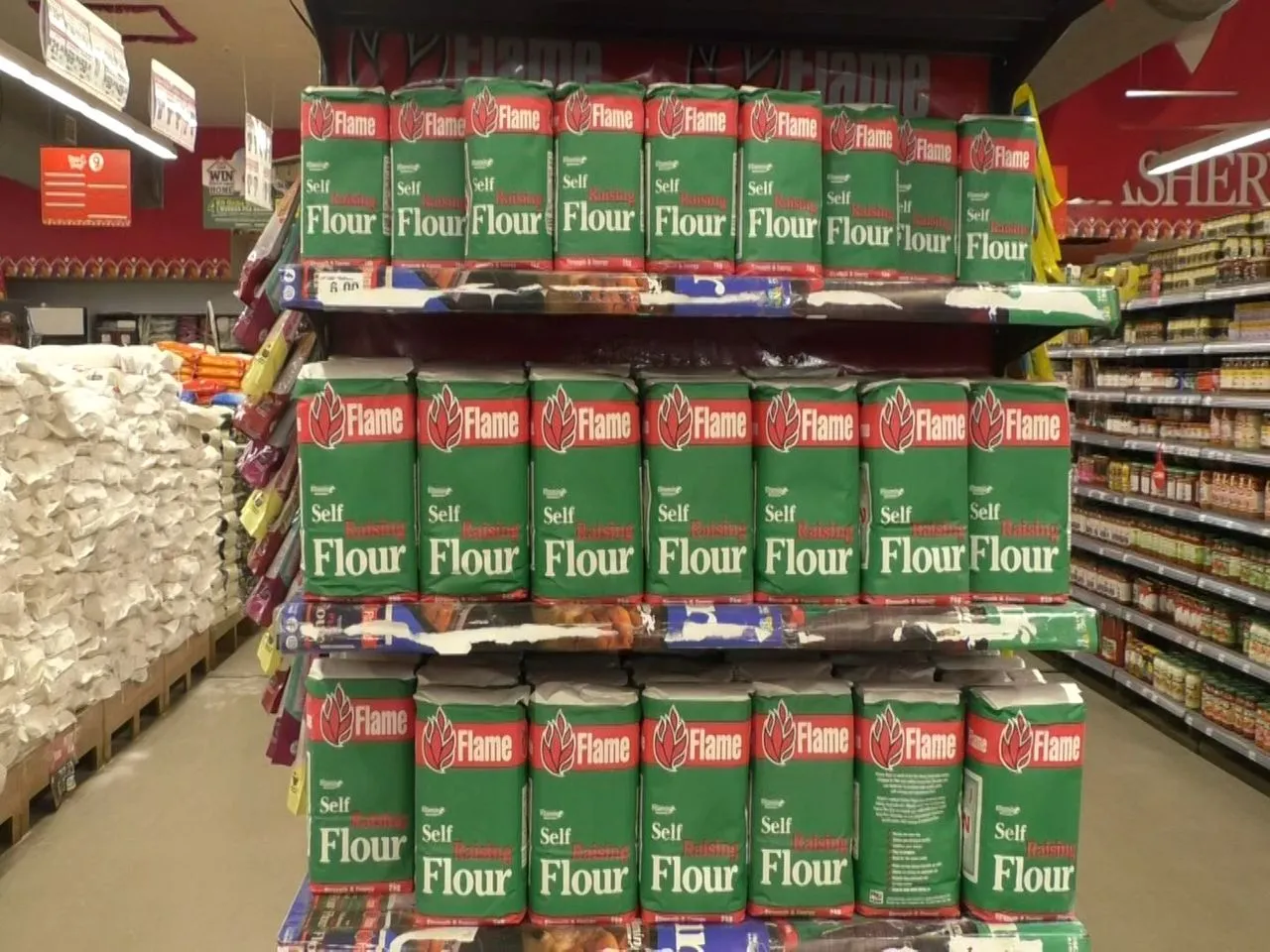
In light of these factors, ICCC warns that consumer prices in the country are likely to remain high for some time into 2027.
Businesses may use this opportunity to increase prices unfairly, thus the need for ICCC to continue monitoring this to make sure businesses do not work together to increase prices unfairly and that consumers are not exploited.
These are three basic items declared under the Prices Regulation Act for price monitoring purposes only.
ICCC explains that monitoring does not mean prices are fixed or controlled, as retailers remain free to set their own prices.
However, pricing decisions must be made independently and must comply with applicable competition laws.
The consumer watchdog monitors the factory -gate and retail prices of rice, flour and sugar, this helps assess whether price movements are consistent with changes in global prices, kina exchange rate and shipping and fuel costs.
This helps ICCC identify any conduct by suppliers, wholesalers and retailers that may exploit consumers or abuse kina power.
It says it will investigate unusual pricing patterns and take action where businesses are found to be engaging in anti-competitive practices.
Meantime, the Commission has also reminded the public that it does not regulate the prices of all goods and services in the country, but only those specifically declared under the relevant laws.