News
PNG Censorship shifts focus online
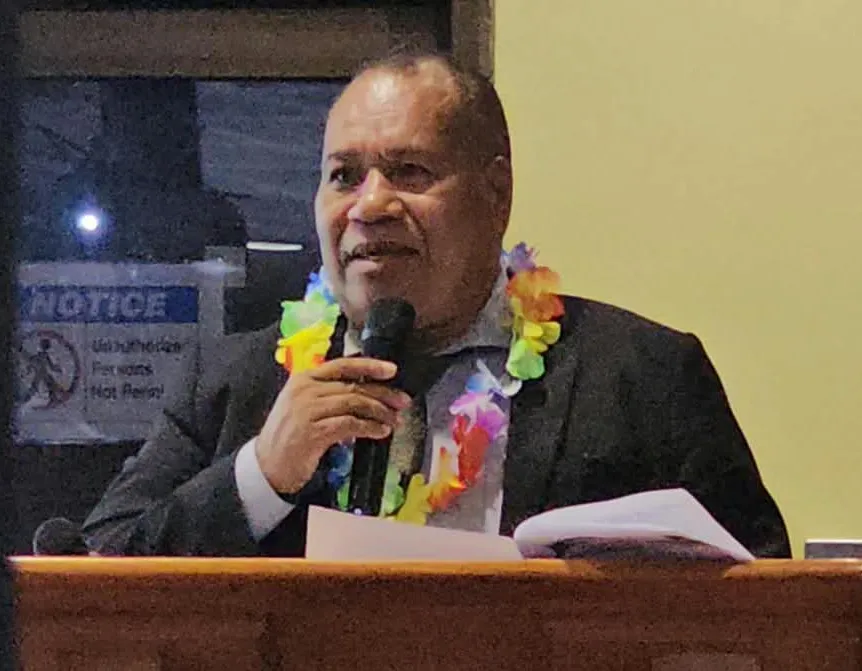
Chief Censor Jim Abani speaking during the regional consultations on the policy recently (NBC News)
Papua New Guinea is moving to strengthen its censorship laws to deal with harmful content on the internet and social media.
Chief Censor Jim Abani says the proposed National Censorship Policy III will shift the focus from traditional censorship of physical materials to online content as more people turn to digital platforms for information and entertainment.
Speaking during the regional consultations on the policy, Abani said the current approach was no longer enough to address the growing amount of content shared online.
He said the new policy would focus on protecting internet users, particularly young people, from harmful material found on digital platforms.
Abani said the Censorship Office had submitted more than 33,000 websites containing harmful content to the National Information and Communications Technology Authority (NICTA).
He said NICTA had so far blocked more than 200,000 listed websites and would continue taking action to restrict access to harmful online content.
Abani said the policy would also address gaps in the existing regulations and provide a framework that responds to changes in technology and how people access information.
He said the Censorship Office was also working with the Department of Information and Communications Technology (DICT) to support the government's approach to managing online content.
Meanwhile, Minister for Community Development, Youth and Religion Jason Peter said the policy was important in protecting the younger generation from cyberbullying, misinformation and other harmful content circulating online.
Peter said false information shared on social media could mislead the public, making it important to ensure information available on digital platforms was safe and reliable.
He said the government wanted to create a safer online environment for young people and all Papua New Guineans.
The regional consultations are aimed at gathering views from government agencies, civil society groups, community leaders, educators, media representatives and other stakeholders to help shape the National Censorship Policy III.